
The phony war


A meeting between US and Iranian representatives was set for Islamabad, but Trump canceled it at the last minute. Too far, too long, too much work. The talks will have to wait.
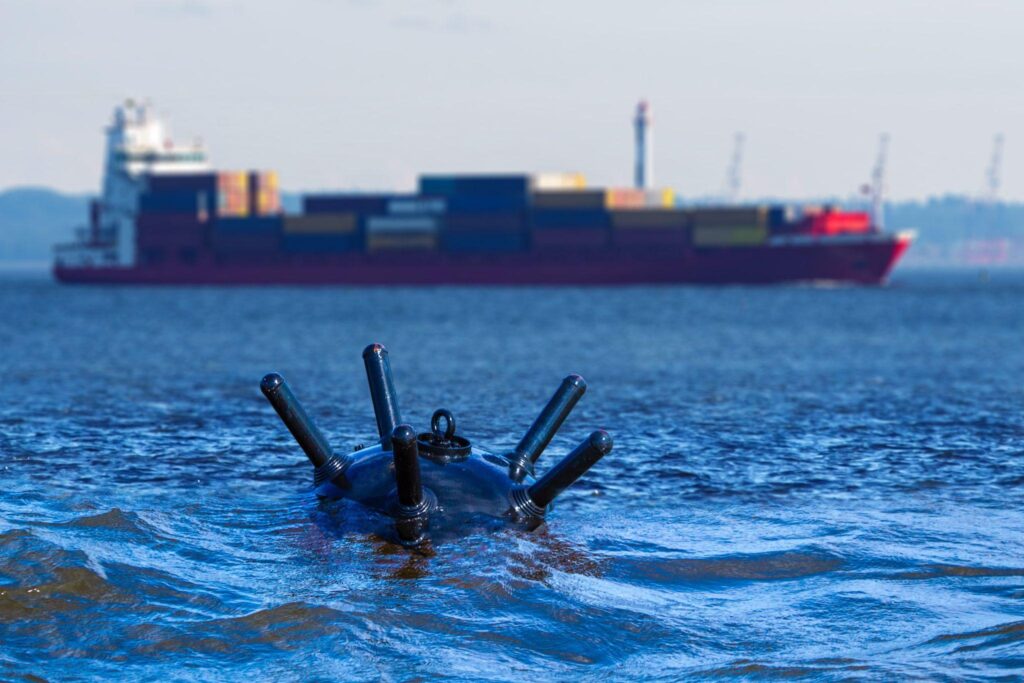
In a conventional war, news like this would be a bombshell. In the strange standoff between the US and Iran, it barely registers.
While the diplomatic theater grabs the headlines, time is quietly doing its work behind the scenes.
Politically, Trump is playing for time by pointing to infighting within the Iranian regime. But he knows a clock is ticking over his own head: the midterm elections.
The economic pressure to make peace is just as real. Iran can’t go without its oil revenue forever. Storage capacity is hitting its limits under the American blockade, and while Tehran can shut its wells in a snap, restarting them is a much bigger headache.
The US has its own problem. Washington likes to wave the flag of energy independence, but oil is a global market and pump prices don’t lie. The spike in crude is eating into American wallets, and frustration is building.
Bottom line: the dove has the wind at its back. Markets bought the dip in late March when the cannons were firing, and until the violins start playing in earnest, indices keep climbing the wall of worry.
My trading plan
Trading carries risk. Only invest money you can afford to lose. Past performance doesn’t guarantee future results.
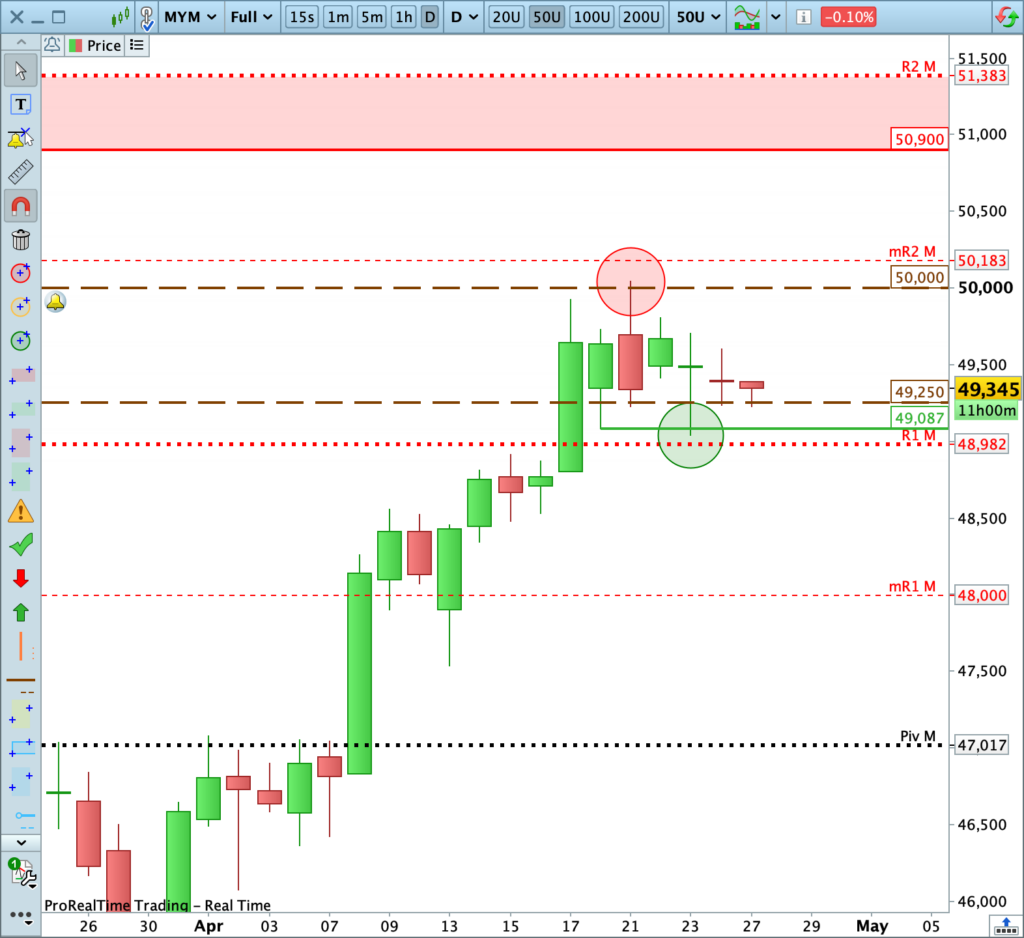
Until proven otherwise, buyers are still in control.
Last week’s profit-taking near the 50,000 mark on the Dow Jones futures shows the market is treading carefully. And despite the false break below support at 49,087, sellers haven’t managed to push price back toward the monthly Resistance 1.
Given that backdrop, I’m sticking with long trades, targeting the short sellers’ stop-losses parked above the symbolic 50,000 level.
Happy trading!

Maxime holds two master’s degrees from the SKEMA Business School and FFBC. As founder and editor-in-chief of NewTrading.fr, he writes daily about financial trading.
The vise tightens

Dead cat bounce
Perfect timing